 ultimate-guide
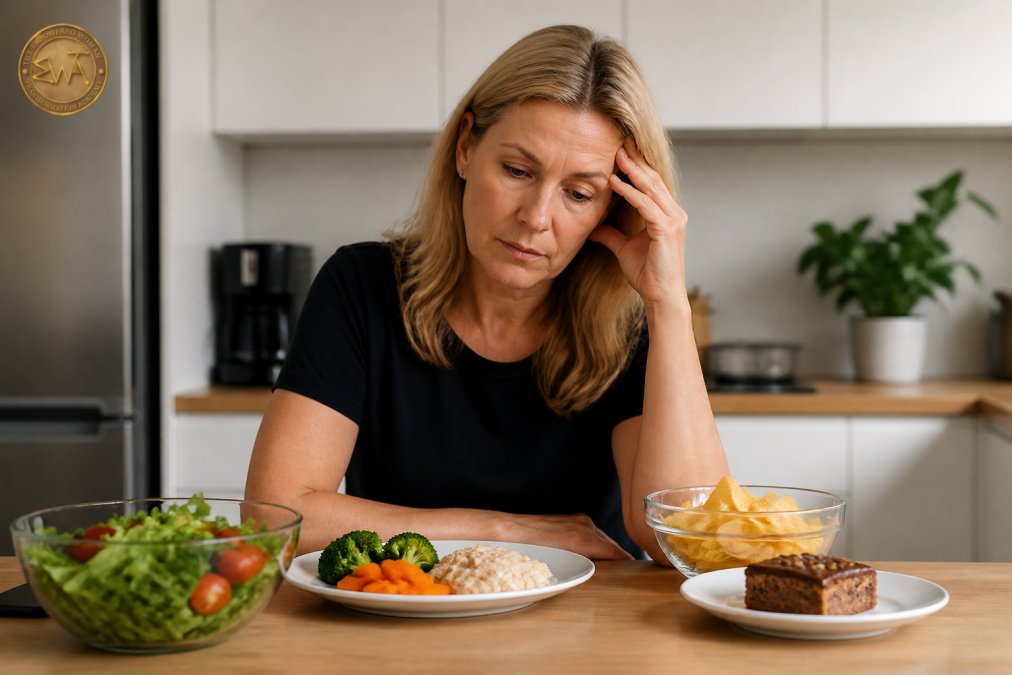
Why Traditional Diets Fail in Perimenopause
Table of Contents
- Why Traditional Diets Fail in Perimenopause: The Hormonal Reality
- Perimenopause Weight Gain Causes: Hormonal Fluctuations and Beyond
- Why Extreme Calorie Restriction Backfires
- Insulin Resistance and Menopause: The Blood Sugar Problem
- Cortisol Management for Weight Loss: Why Stress Hormones Matter
- Muscle Mass Loss and Sarcopenia: The Overlooked Factor
- Strength Training for Hormonal Health: What Works Instead
- The Gut-Hormone Axis and Nutrient Absorption
Last Updated: August 14, 2026
Why Traditional Diets Fail in Perimenopause: The Hormonal Reality
Traditional diets fail in perimenopause because they ignore fundamental hormonal shifts. Most weight loss plans rely on a simple equation: calories in, calories out. But when your estrogen drops, your thyroid changes, and your cortisol spikes, that equation becomes meaningless.
The problem isn't that you're eating too much or moving too little. Your body is operating under completely different rules than it was five years ago. At Coach Justine, we work with women who've tried everything, calorie counting, macro tracking, intermittent fasting, cutting carbs entirely, and followed the plan perfectly with no results. Here's what's actually happening: your metabolism isn't broken. Your hormones are changing, and standard diet advice doesn't account for that.
Perimenopause Weight Gain Causes: Hormonal Fluctuations and Beyond
Perimenopause weight gain isn't about willpower. It's about biology. Your body is experiencing fluctuations in estrogen, progesterone, and other hormones that directly affect how your body stores fat, regulates appetite, and burns calories.

Estrogen Deficiency and Metabolic Rate Changes
As estrogen declines, your metabolic rate shifts. Estrogen plays a role in how your body distributes fat, burns calories, and signals hunger and fullness. When estrogen drops, your body becomes more efficient at storing fat, particularly around your midsection, not a character flaw, but physiology. Your body is trying to maintain estrogen production through fat tissue.
Your metabolic rate can drop by 2-8% per decade after age 30, accelerating during perimenopause. A woman who burned 2,000 calories at 35 might burn 1,800 at 45 without changing anything. This is why the diet that worked at 35 stops working at 45. Most traditional diets recommend the same calorie targets for everyone, regardless of hormonal status.
The Thyroid Connection
Your thyroid regulates how fast your cells burn fuel and how much energy you have. During perimenopause, thyroid function often becomes erratic. Some women develop subclinical hypothyroidism, thyroid function that's technically "normal" on standard tests but significantly lower than their personal baseline. Both scenarios slow metabolism and make weight loss feel impossible, even when eating less.
A sluggish thyroid also affects nutrient absorption, energy levels, and exercise response. This is why women in perimenopause often feel exhausted despite sleeping eight hours. Traditional diets ignore thyroid function entirely, assuming your metabolism is stable. It isn't.
Why Extreme Calorie Restriction Backfires
When you restrict calories severely, your body responds by increasing cortisol, your primary stress hormone. Elevated cortisol tells your body to hold onto fat, especially around your midsection. It also suppresses thyroid function, increases appetite, and makes you crave high-calorie foods. You're literally fighting your own hormones.
Extreme restriction also accelerates muscle loss. During perimenopause, you're already at higher risk for sarcopenia. When you cut calories dramatically without strength training, you lose muscle faster than fat, further lowering your metabolic rate.
Women who cut calories by 500-1,000 per day often experience constant hunger, fatigue, brain fog, mood swings, and plateaus after 4-8 weeks. Then they either quit or cut calories more, triggering a vicious cycle of restriction, muscle loss, and metabolic slowdown.
The fix is to eat strategically, enough to support your metabolism, thyroid function, and muscle maintenance while creating a sustainable deficit that doesn't trigger a stress response.
Insulin Resistance and Menopause: The Blood Sugar Problem
Insulin resistance is one of the most overlooked factors in perimenopause weight gain. As estrogen drops, your cells become less responsive to insulin's signal. Estrogen plays a role in how your muscle and fat cells take up glucose. When estrogen declines, that signaling weakens, and your pancreas produces more insulin to move the same glucose into your cells.
Elevated insulin tells your body to store fat, especially in your abdomen, and suppresses glucagon, the hormone that signals your body to burn stored fat. Many women develop insulin resistance without realizing it. Their fasting glucose is normal, but blood sugar spikes and crashes throughout the day, driving hunger, fatigue, and cravings. You might notice energy crashes 2-3 hours after eating, intense afternoon cravings, brain fog that clears after eating, or increased belly fat despite stable overall weight.
Traditional diets often worsen insulin resistance. Low-fat, high-carb diets spike blood sugar more dramatically. Calorie restriction without attention to meal timing and macronutrient balance worsens insulin sensitivity because undereating triggers stress hormones, which elevate blood sugar and insulin.
Managing blood sugar deliberately breaks this cycle:
Pair carbohydrates with protein and fat at every meal. Protein and fat slow gastric emptying, so glucose enters your bloodstream gradually. A bowl of oatmeal alone spikes blood sugar; oatmeal with eggs and berries doesn't.
Eat protein with breakfast to stabilize morning blood sugar. A protein-rich breakfast (20-30 grams) sets the tone for the entire day. Women who eat protein at breakfast have fewer cravings and more stable energy.
Avoid eating carbs alone as snacks. A piece of fruit or granola bar spikes blood sugar. An apple with almond butter or cheese with whole-grain crackers doesn't.
Space meals 3-4 hours apart to allow insulin to normalize. Constant snacking keeps insulin elevated all day. Your body never gets a chance to lower insulin naturally or access stored fat for energy.
Consider the order you eat foods. Eating vegetables and protein before carbs slows glucose absorption. This simple sequencing can reduce blood sugar spikes by 20-30%.
This isn't about eliminating carbs. It's about managing how your body processes them given that your insulin sensitivity has changed. Women who focus on blood sugar management often notice weight loss resumes, energy stabilizes, and cravings decrease, without feeling deprived.
Cortisol Management for Weight Loss: Why Stress Hormones Matter
Cortisol is your body's primary stress hormone. In small amounts, it's helpful. But chronically elevated cortisol tells your body to store fat, especially around your midsection, and directly worsens insulin resistance.
During perimenopause, your stress response is already heightened. Your nervous system is more reactive due to hormonal fluctuations. Add work stress, family responsibilities, and sleep disruption from hot flashes, and your cortisol stays elevated throughout the day and night.
Elevated cortisol increases appetite (especially for sugary and fatty foods), suppresses thyroid function, promotes belly fat storage, impairs sleep quality, increases inflammation, and worsens insulin resistance. But here's what most guides miss: sleep quality is the linchpin of cortisol management in perimenopause and directly affects your ability to lose weight.
During perimenopause, hot flashes and night sweats fragment your sleep. You might sleep 7-8 hours but wake multiple times, never reaching deep, restorative sleep stages. This fragmented sleep keeps cortisol elevated at night and dysregulates it throughout the day. Your body never gets the signal that it's safe to relax and burn fat.
Poor sleep also worsens insulin resistance independently. A study published in the journal Sleep found that women with poor sleep quality had significantly higher fasting insulin levels and greater insulin resistance, even when total sleep duration was adequate. Quality matters as much as quantity.
Practical cortisol and sleep management:
Prioritize sleep consistency over duration. Go to bed and wake up at the same time every day. This stabilizes your circadian rhythm and helps regulate cortisol naturally.
Cool your sleep environment. A cooler bedroom (around 65-68°F) reduces night sweats and improves sleep quality.
Learn more about HER Aligned here →
Manage stress through calming practices. Walking, gentle yoga, breathing exercises, or meditation for 10-15 minutes daily reduces cortisol measurably.
Avoid excessive cardio. High-intensity cardio for 60+ minutes, especially with calorie restriction, signals your body it's under threat. Your cortisol rises and your body holds onto fat. Moderate cardio (30-45 minutes, 3-4 times per week) is fine.
Eat regular, adequate meals. Skipping meals tells your body to increase cortisol and hold onto fat. Eating three solid meals signals safety and naturally lowers cortisol.
Build in recovery days from intense exercise. Your nervous system needs recovery. One or two days per week of gentle movement or complete rest allows cortisol to normalize.
Limit caffeine after 2 PM. Caffeine extends cortisol elevation and fragments sleep, especially during perimenopause.
Cortisol management requires managing your nervous system and protecting your sleep. When you do, appetite, energy, insulin sensitivity, and fat loss become easier.
Muscle Mass Loss and Sarcopenia: The Overlooked Factor
After age 30, most people lose 3-8% of muscle mass per decade. During perimenopause, this accelerates. Declining estrogen makes muscle maintenance harder. Without intentional strength training, you lose muscle faster than fat.
This matters because muscle tissue burns more calories at rest than fat tissue. When you lose muscle, your metabolic rate drops permanently. Many women lose 10-15 pounds on a traditional diet and feel worse, weaker, less confident. That's because they've lost a combination of fat and muscle, with muscle loss sometimes exceeding fat loss.
Sarcopenia also affects bone density, posture, metabolism, and injury risk. Traditional diets don't prevent muscle loss, they accelerate it. Calorie restriction combined with cardio-heavy exercise is the perfect recipe for losing muscle while trying to lose fat.
Strength Training for Hormonal Health: What Works Instead
Strength training is the most powerful tool for managing perimenopause weight gain. It's not optional, it's essential.

Strength training preserves and builds muscle tissue (maintaining metabolic rate), improves insulin sensitivity directly, reduces cortisol, supports bone density, improves mood and energy, and builds confidence.
The research is clear: women who strength train during perimenopause maintain better body composition, lose more fat, and keep it off longer than women who rely on cardio and dieting alone.
Strength training doesn't mean spending two hours in the gym. It means consistent, progressive resistance work 2-3 times per week focusing on compound movements, squats, deadlifts, rows, presses, that challenge multiple muscle groups.
A practical approach:
- 2-3 sessions per week of resistance training
- 30-45 minutes per session
- Focus on progressive overload (gradually increasing weight or reps)
- Include compound movements
- Allow 48 hours recovery between sessions targeting the same muscles
This preserves muscle, maintains metabolic rate, and supports hormonal health far better than traditional cardio-focused plans.
The Gut-Hormone Axis and Nutrient Absorption
Your gut health directly affects your hormone metabolism and nutrient absorption. During perimenopause, declining estrogen affects your gut microbiome, changing which nutrients you absorb efficiently and how well your body regulates hormones.
When your gut barrier is compromised or your microbiome is imbalanced, you absorb fewer nutrients from food, even if you're eating well. This is particularly important for calcium, vitamin D, magnesium, and B vitamins, all critical during perimenopause.
Poor nutrient absorption also affects your ability to produce neurotransmitters and hormones, increases inflammation, worsens insulin resistance, and elevates cortisol. Traditional diets ignore gut health entirely, focusing on calories without considering whether your body can actually absorb and use the nutrients.
Supporting your gut-hormone axis means:
- Eating adequate dietary fiber (25-30 grams daily) to feed beneficial bacteria
- Including fermented foods or a quality probiotic
- Reducing inflammatory foods that damage the gut barrier
- Managing stress, which directly affects gut permeability
- Ensuring adequate stomach acid and digestive enzymes
This isn't about elimination diets. It's about supporting your gut so it can support your hormones.
The real reason traditional diets fail in perimenopause is that they treat your body like it's the same as it was at 25. It isn't. Your hormones have changed. Your metabolism has shifted. Your stress response is more reactive. Your muscle is more vulnerable. Your gut is more sensitive.
A sustainable approach addresses all these factors simultaneously. It's not about finding the "right" diet. It's about changing the patterns that actually drive your choices, habits, and results.
If you're ready to understand what's actually happening in your body, start with the Free Peri Protocol, a personalized assessment that reveals your unique hormonal patterns and what's really blocking your progress. Many women discover insights in minutes that explain years of frustration.
For ongoing support, the HER Aligned Coaching Membership provides the framework, strategies, and community you need to work with your hormones instead of against them. Rather than handing you another meal plan, we help you understand why your body is responding the way it is and teach you how to create lasting change. Women in the program lose fat, rebuild strength, reclaim energy, and develop genuine confidence in their ability to maintain results for life.
If you've tried traditional diets and they haven't worked, it's not because you failed. It's because the diet failed to account for your biology. Ready to try a different approach?
Frequently Asked Questions
Why do traditional diets fail so quickly during perimenopause?
Traditional calorie-restriction diets ignore the hormonal reality of perimenopause. As estrogen declines, your metabolic rate drops, insulin sensitivity shifts, and cortisol rises—all of which make simple calorie math ineffective. Diets that worked in your 20s and 30s don't account for these physiological changes, so women hit plateaus fast and often regain weight once they stop restricting.
How does insulin resistance and menopause affect weight loss?
Insulin resistance becomes more common during perimenopause due to declining estrogen. This means your body struggles to regulate blood sugar, leading to increased fat storage and cravings. A diet focused only on calories without addressing blood sugar management through protein, fiber, and meal timing will fail because it doesn't address the root hormonal problem driving weight gain.
What role does cortisol management for weight loss play in perimenopause?
Elevated cortisol during perimenopause increases belly fat storage and interferes with sleep, which further disrupts metabolism. Traditional diets add stress through restriction, raising cortisol even higher. This creates a cycle where the diet itself sabotages weight loss. Managing cortisol through adequate food, sleep, and stress reduction is essential for sustainable results.
Can strength training for hormonal health replace cardio-heavy exercise plans?
Strength training is far more effective during perimenopause than traditional cardio-heavy plans. It preserves and builds muscle mass, which declines naturally with age and hormonal shifts. Muscle tissue is metabolically active and improves insulin sensitivity. Combining strength work with adequate protein and recovery creates the hormonal environment needed for fat loss without the metabolic damage that extreme cardio and restriction cause.